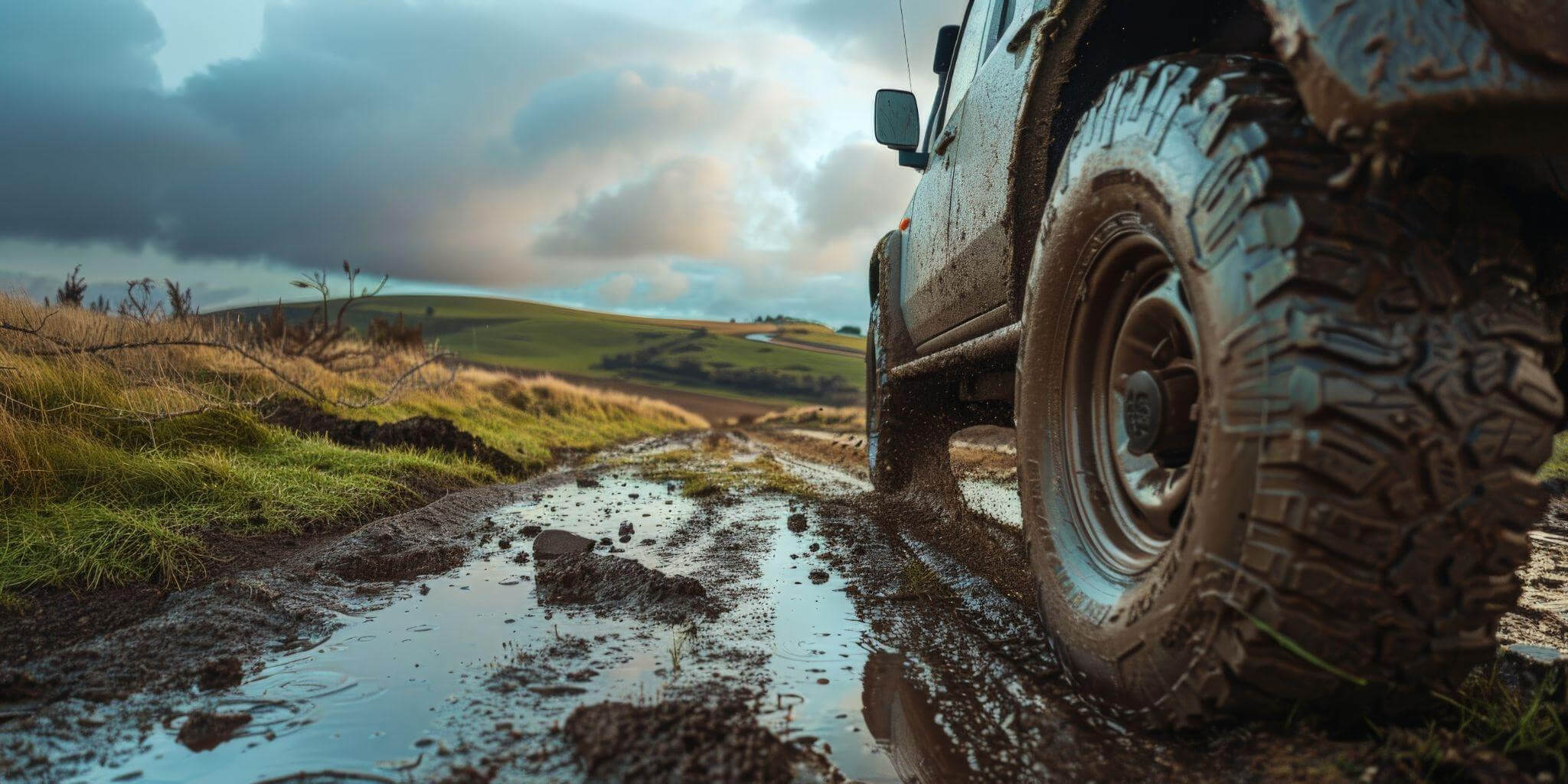
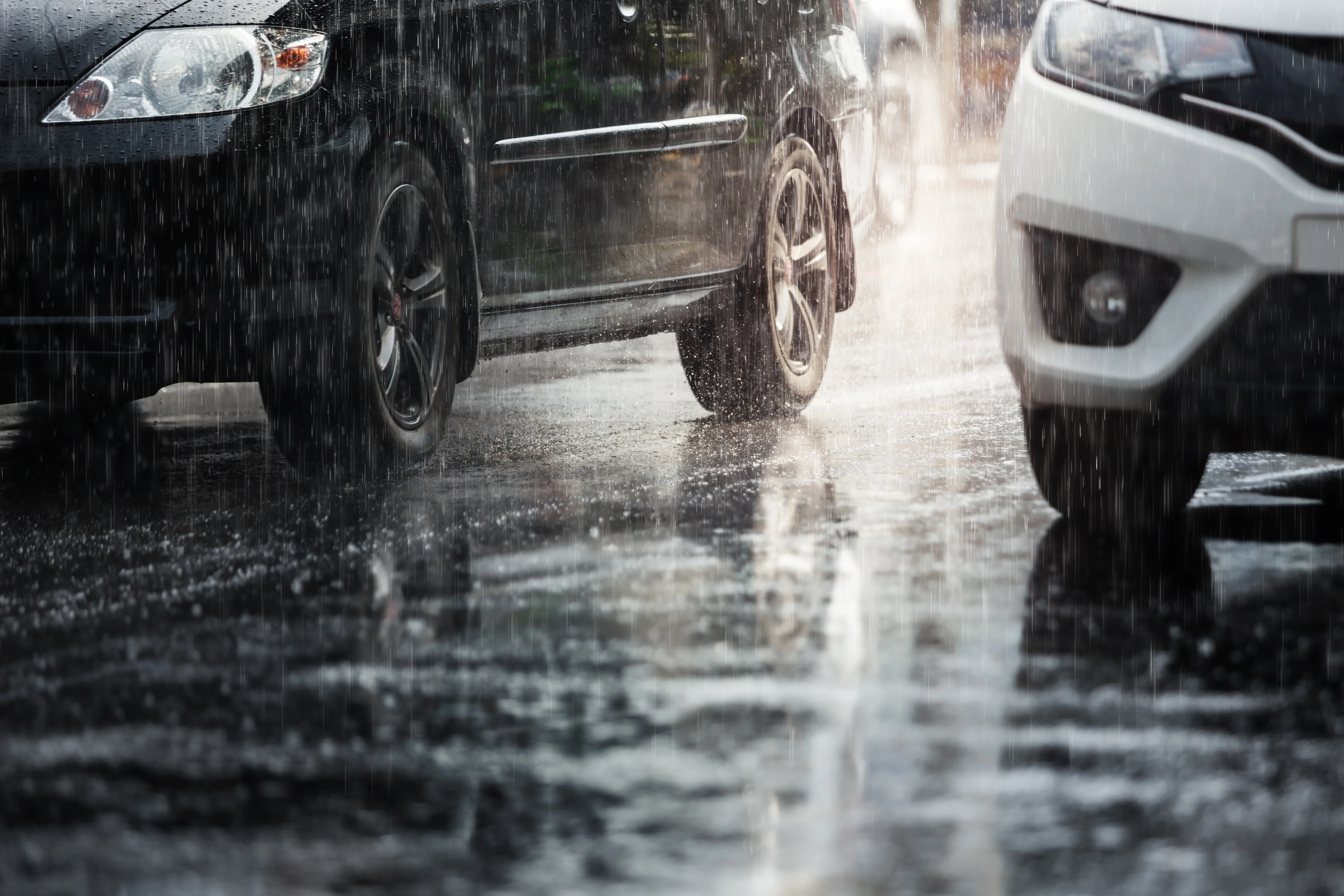
Wet weather can transform an everyday drive into a real challenge. Whether it’s a quick shower or an all-day drizzle, rain reduces traction, increases stopping distances, and makes it harder to see the road and other drivers.
In Ireland, where damp conditions are all too common, knowing how to handle your car in the wet is a must. Below, we’ll walk through essential safety tips for driving in rain—plus extra advice on how to maintain your car for wet conditions.
Why Wet Roads Are So Risky
Before diving into the tips, it’s worth understanding why wet weather makes driving more dangerous:
- Reduced tyre grip: Rain creates a slick layer between your tyres and the road.
- Longer stopping distances: It takes more time to slow down or stop completely.
- Hydroplaning risk: Too much water can cause tyres to lose contact with the road entirely.
- Low visibility: Rain on windows and windshields reduces how far you can see.
- Other drivers’ unpredictability: Wet weather affects everyone, and not all drivers handle it well.
How to Drive Safely in Wet Conditions
Driving safely in the rain isn’t just about reacting to problems; it’s about preventing them. The tips below are simple, practical actions that can make a big difference when the roads are wet. Whether you're commuting, on the school run, or heading out on a long trip, following these habits can help you stay in control and avoid unnecessary risks.
Slow Down—Even If You're in a Rush
Speed is the biggest factor in wet-weather accidents. When roads are wet, your tyres can’t grip as well, so the faster you drive, the more likely you are to lose control.
What to do instead:
- Drive at least 10–15% slower than you usually would.
- Take corners gently and avoid sharp steering movements.
- Brake earlier and more gradually than usual.
Increase Your Following Distance
It takes twice as long to stop on a wet road as on a dry one. Tailgating or driving too closely behind another vehicle drastically increases your risk of a rear-end collision.
Give yourself more space:
- In dry weather: keep 2 seconds between you and the car ahead.
- In wet weather: increase this to at least 4 seconds.
Use the “two-second rule” by picking a marker on the road (like a sign or tree). If you pass it less than 4 seconds after the car in front, you’re too close.
What's the braking distance in different weather conditions?
Turn On Your Headlights
Even during the day, wet weather makes it harder for you to see - and to be seen. Turning on your dipped headlights helps other drivers notice you more quickly.
Avoid:
- High beams (they reflect off rain and fog, reducing visibility further).
- Relying on automatic lights. Turn them on manually if needed.
Keep Your Windows Clear
Foggy windows are a common issue when it's wet and humid.
To improve visibility:
- Use your air conditioning or defroster to remove fog.
- Open windows slightly to reduce moisture buildup if needed.
- Clean your windows inside and out regularly to prevent fogging.
Avoid Skidding and Hydroplaning
Hydroplaning is one of the most dangerous things that can happen when driving in wet conditions. It can cause your vehicle to lose traction and control in an instant, making it difficult to avoid accidents. Understanding how hydroplaning happens and how to prevent it can help you stay safe behind the wheel.
What Is Hydroplaning?
Hydroplaning happens when your tyres lose contact with the road surface and ride on top of a layer of water. When this happens, you temporarily lose steering and braking control.
How to Prevent It
- Stick to lower speeds.
- Avoid standing water or large puddles where possible.
- Stick to the tracks of the car in front of you—they’ve already cleared some water away.
- Don’t use cruise control in wet weather—it reduces your ability to react.
What to Do If You Start to Hydroplane
- Ease off the accelerator.
- Do not brake suddenly.
- Steer gently in the direction you want to go.
- Keep calm, and allow your tyres to regain contact with the road.
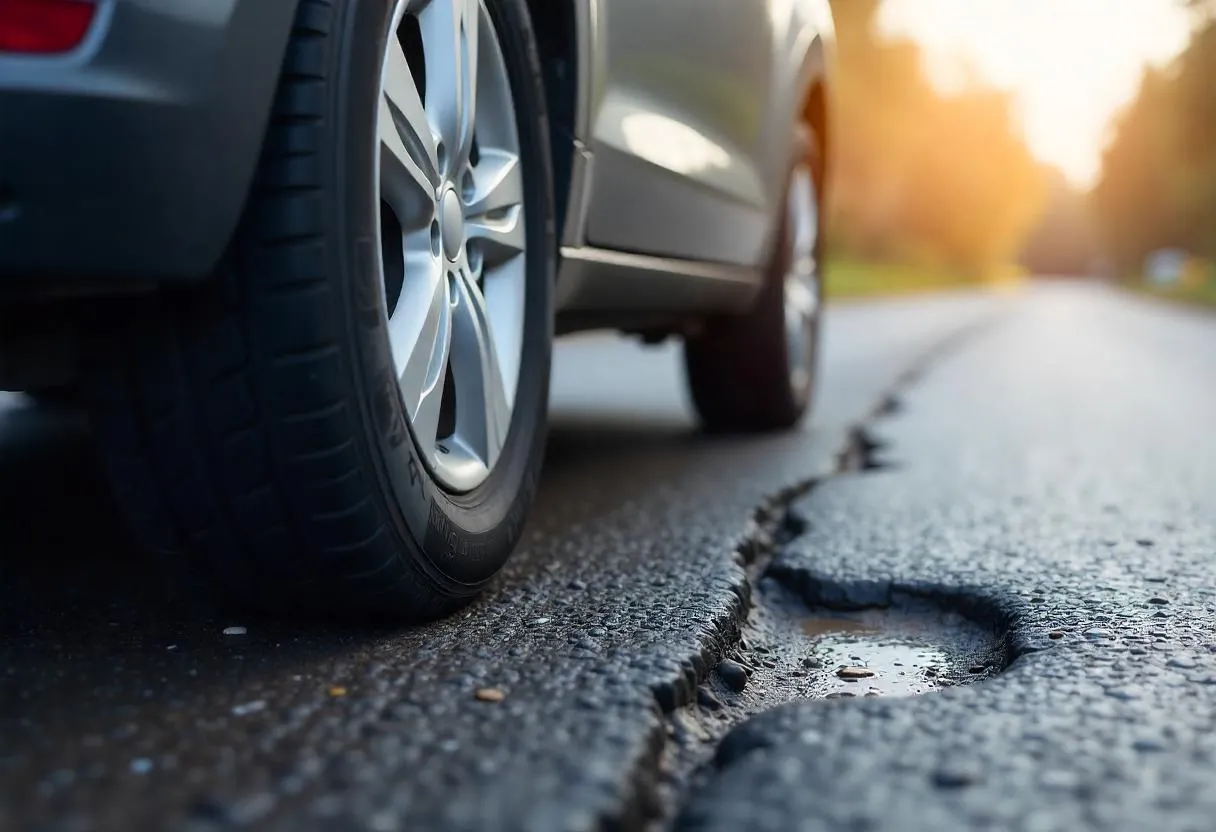
Why is my car pulling to one side?
Plan for the Unexpected
When driving in wet conditions, it's essential to stay alert and prepared for any unexpected changes in the road or traffic. Poor weather can create hazardous situations quickly, so being focused and ready to react can make all the difference in preventing accidents.
Avoid Distractions
When driving conditions are poor, your full attention should be on the road.
Helpful habits:
- Put your phone on silent or use Do Not Disturb.
- Keep music volume at a moderate level.
- Ask passengers to avoid distracting conversations in tricky conditions.
Prepare Your Car for Emergencies
Wet weather increases the risk of breakdowns or delays. Keep a few essentials in the car just in case:
Suggested emergency kit:
- Fully charged phone and car charger
- Torch (preferably wind-up or with spare batteries)
- Blanket or warm jacket
- First aid kit
- Warning triangle and high-vis vest
- Bottle of water and snacks
Make Sure Your Tyres Are Rain-Ready
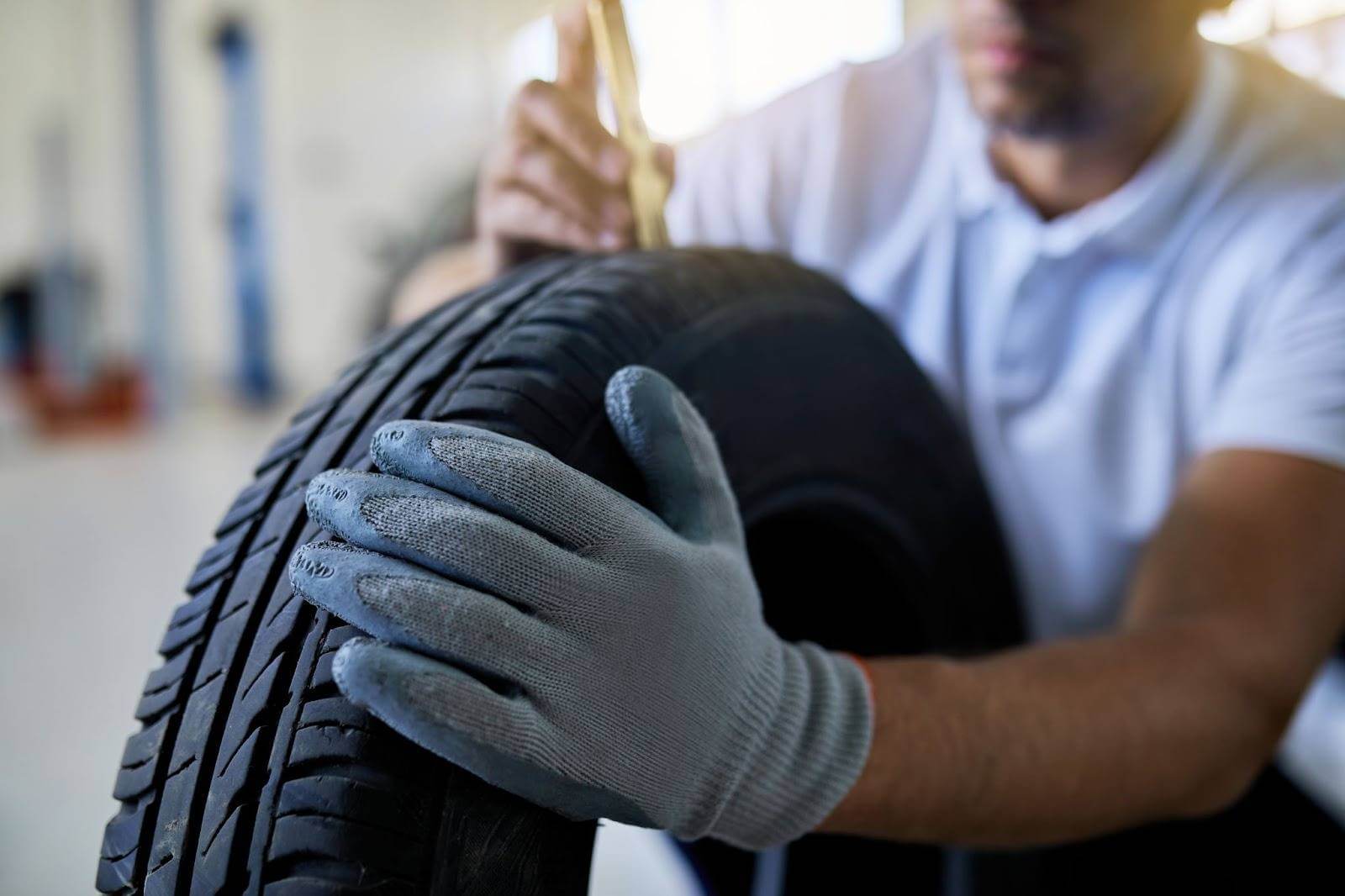
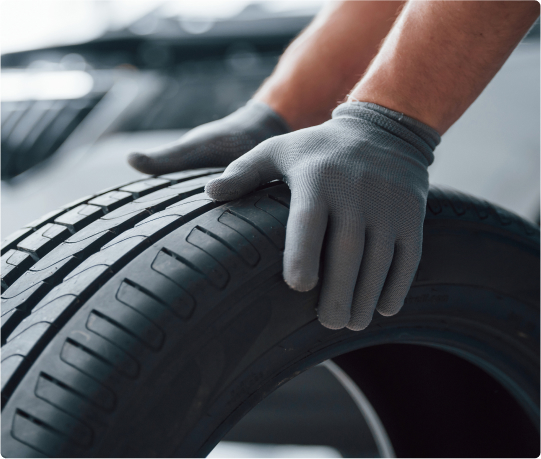
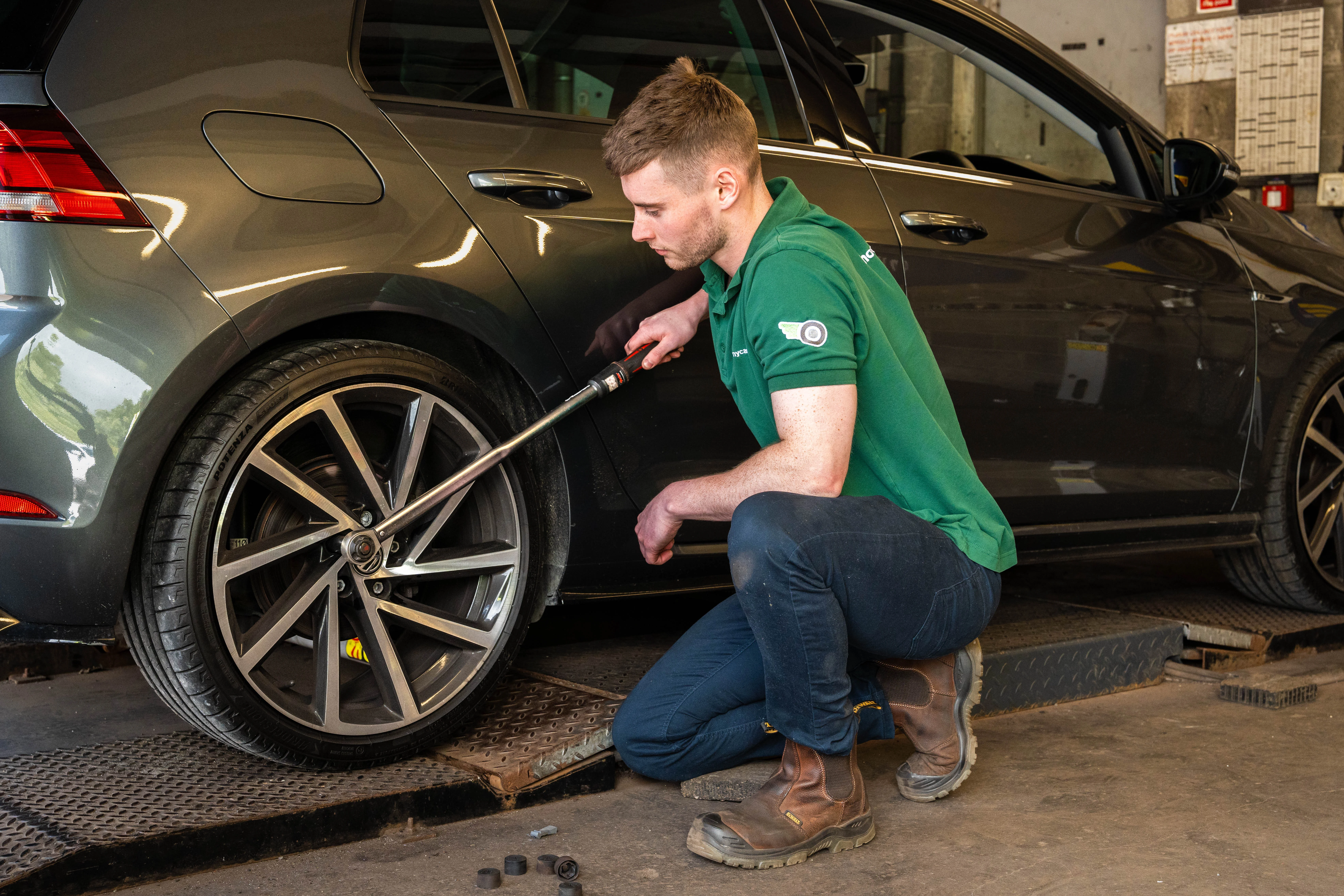
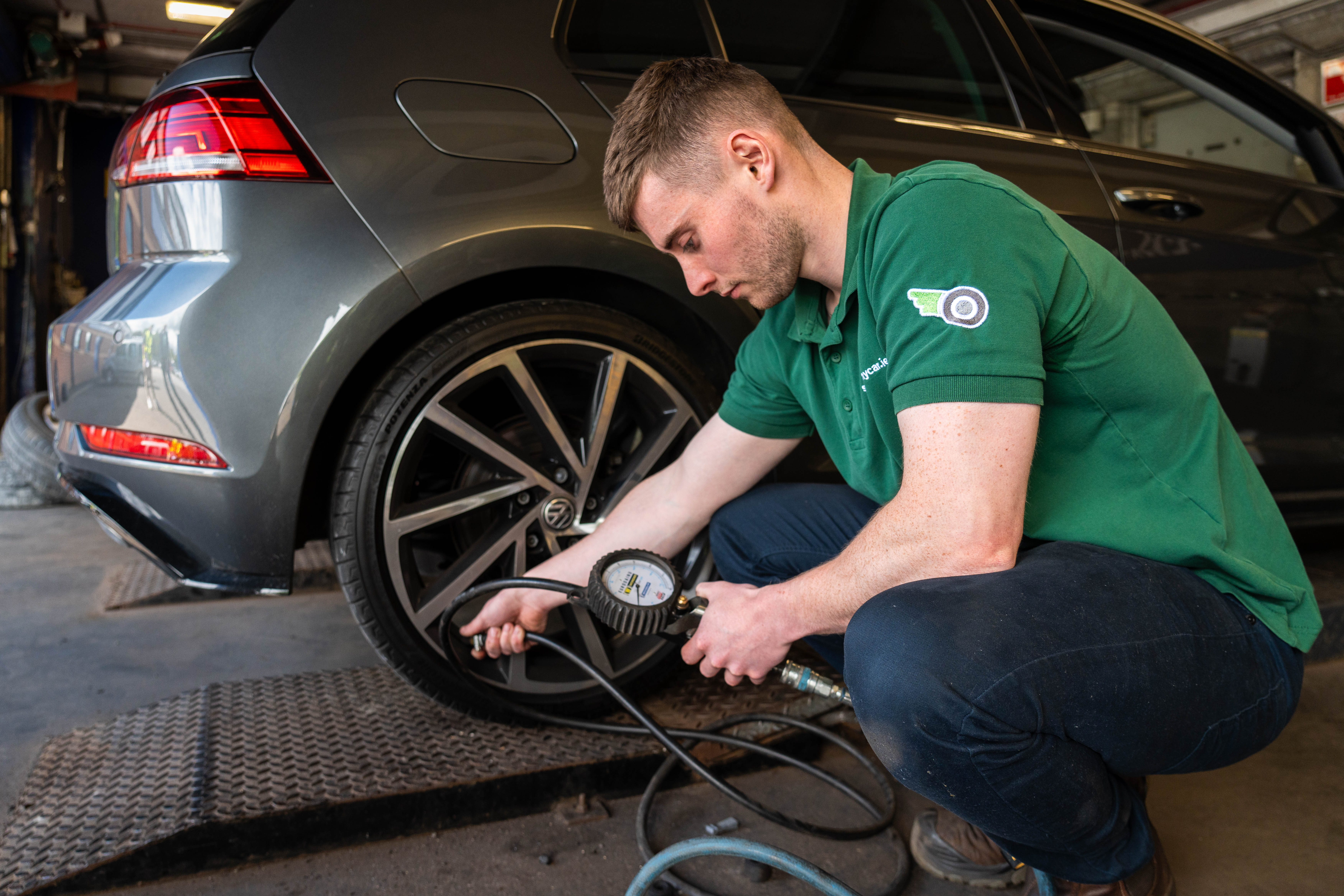
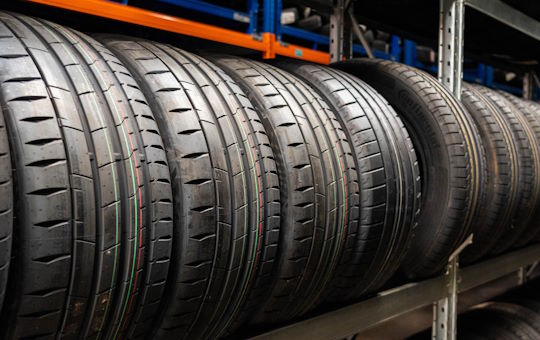
Your tyres are your vehicle's only point of contact with the road, so it's crucial they are in excellent condition, especially in wet weather. Good-quality tyres that are professionally fitted and regularly maintained provide the necessary grip to handle rain-soaked roads safely. Regular checks of your tyre tread depth and inflation are essential to ensure optimal performance. Neglecting tyre care can significantly increase the risk of accidents in wet conditions, as worn or improperly fitted tyres struggle to maintain traction.
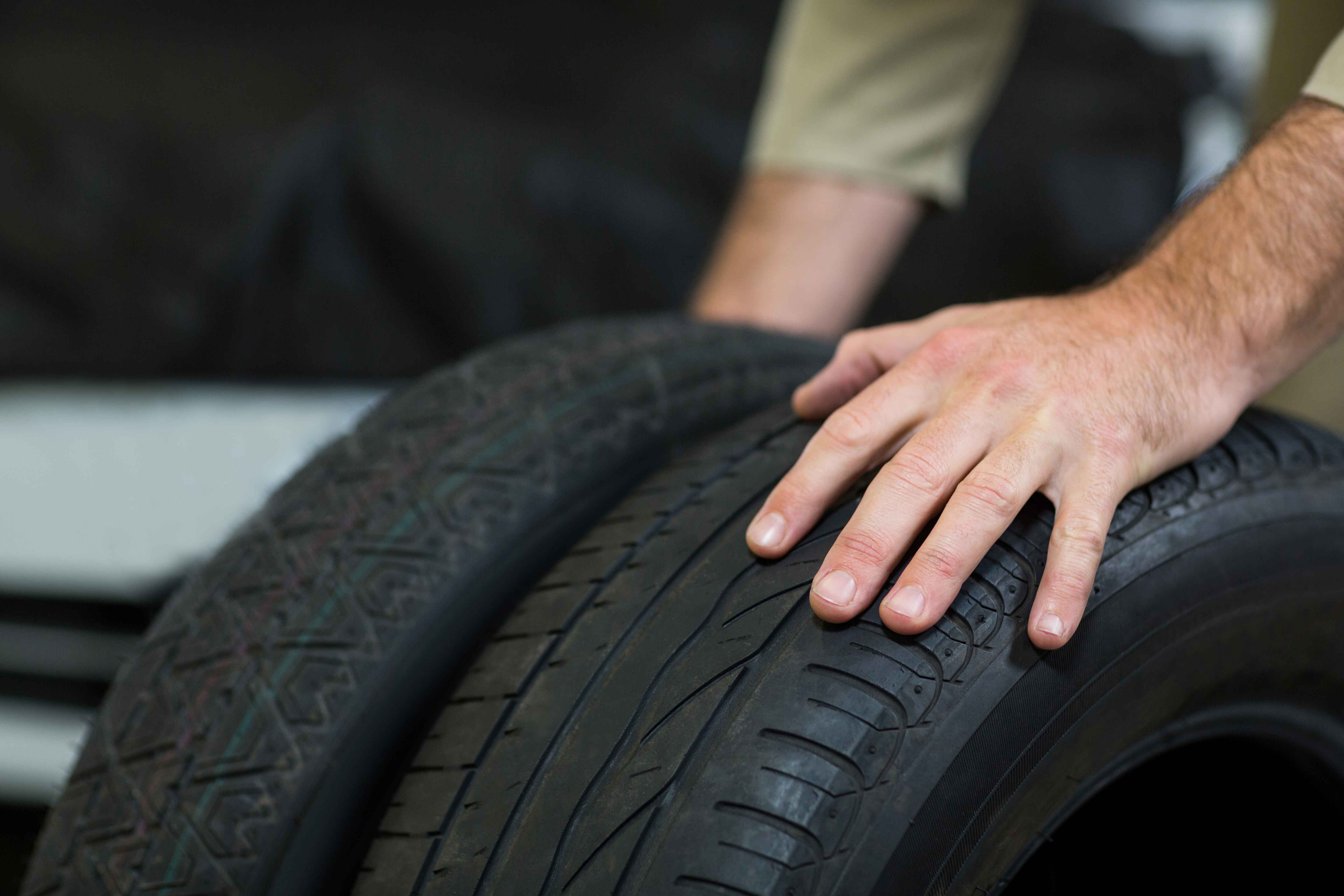
Check Your Tread Depth
Worn tyres are more likely to lose grip and hydroplane in wet conditions, which can significantly increase the risk of accidents. Regularly check your tyre tread to ensure you have enough traction. In Ireland, the legal minimum tread depth is 1.6mm, but for optimal performance in the rain, it's best to have at least 3mm.
- Legal minimum tread depth in Ireland: 1.6mm
- Ideal tread depth for wet weather: 3mm or more
- Worn tyres: More likely to skid or hydroplane
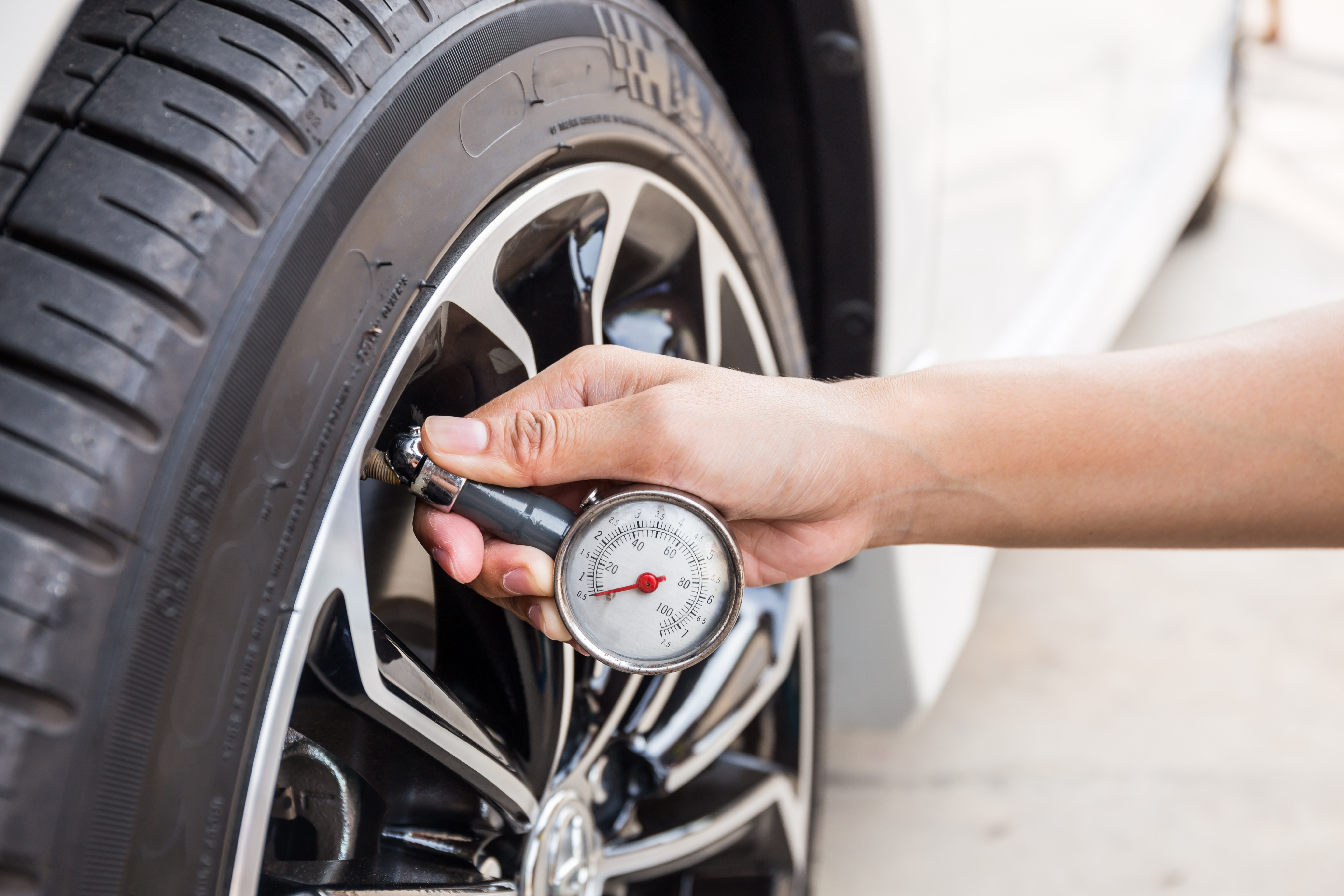
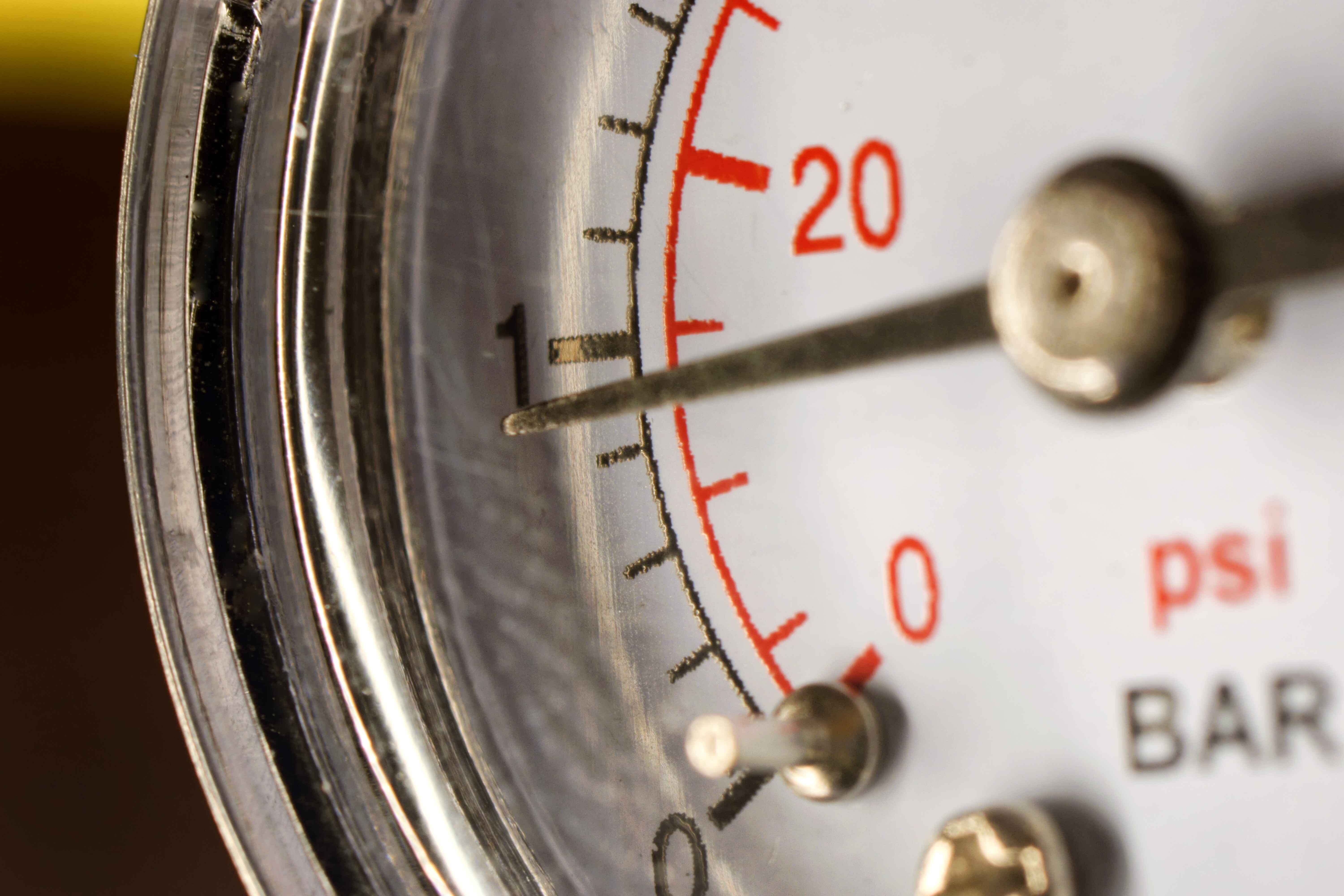
Maintain Proper Tyre Pressure
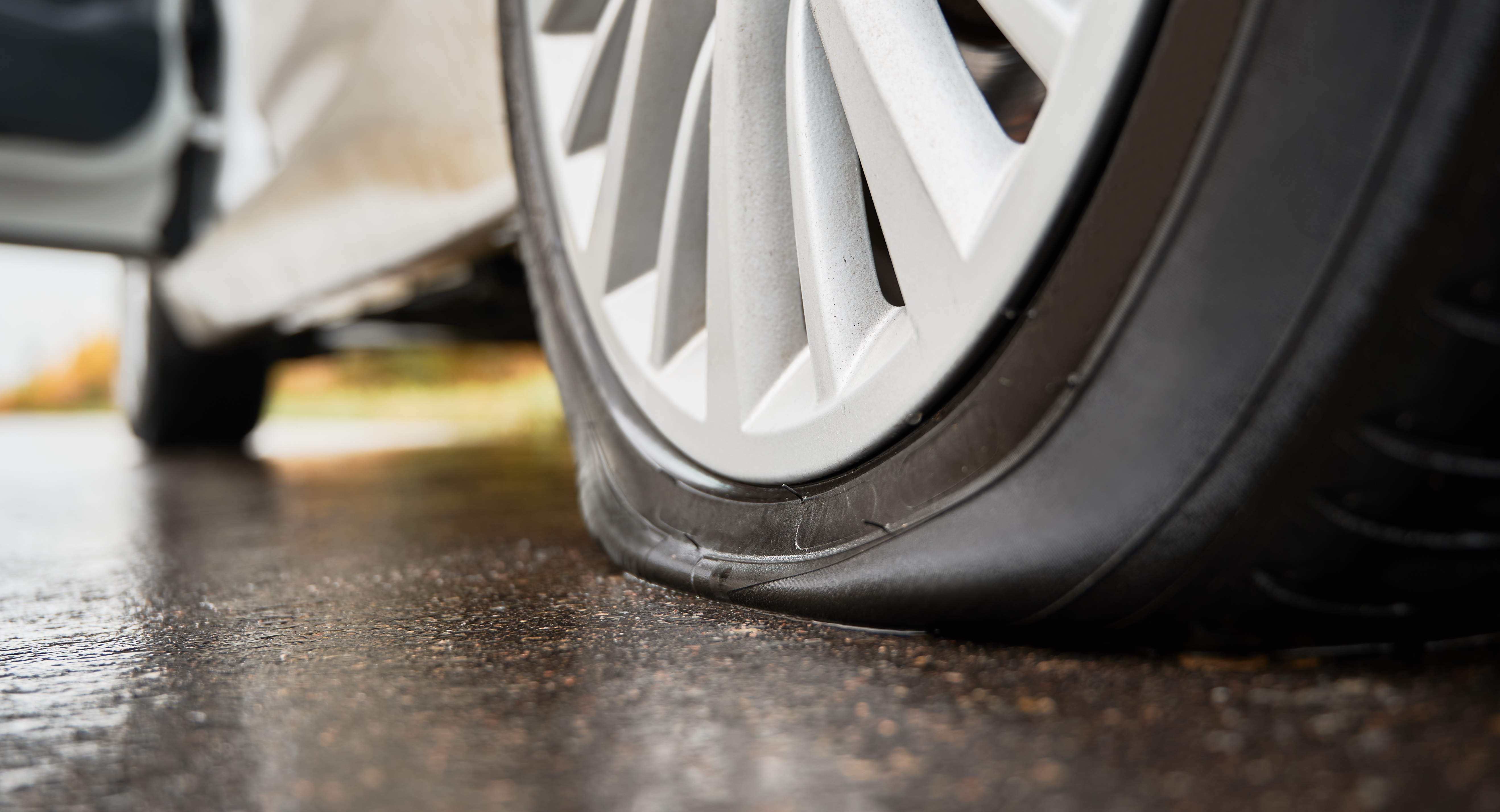
Tyres that are under-inflated don’t make proper contact with the road, reducing traction and causing uneven wear. Maintaining the correct tyre pressure is crucial for ensuring better grip, improving fuel efficiency, and extending the life of your tyres.
- Under-inflated tyres: Lose grip and wear faster
- Correct pressure: Enhances traction and tyre longevity
- Check pressure regularly: Especially during weather changes
Top tip:
Check your tyre pressure monthly or before long journeys, and adjust it according to your car manufacturer’s recommendations (usually found in the driver’s door or manual).
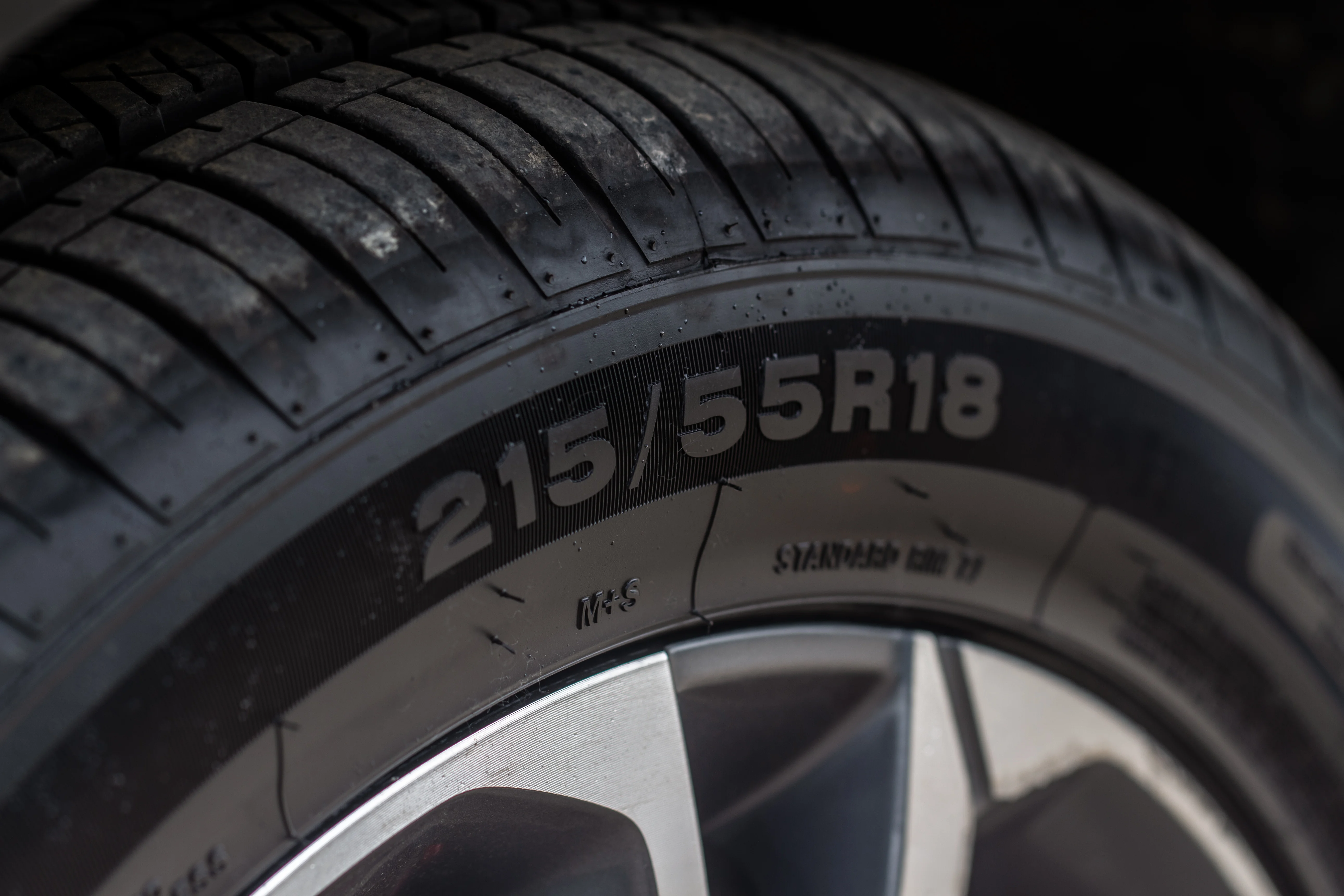
What pressure should my car tyres be?
Final Thoughts on Wet-Weather Driving
Rainy days might not be avoidable, but driving in wet conditions doesn’t have to feel overwhelming. With good tyres, clear visibility, slower speeds, and a bit of extra caution, you’ll be in a much better position to stay safe on the road. If you're in need of new tyres, Shoes For My Car offers a hassle-free solution. Shop online for your preferred tyres, schedule your fitting appointment, and have them delivered directly to a fitting centre near you. No phone calls, no wasted trips, just a simple purchase, easy appointment booking, and a quick stop for fitting, leaving you ready to take on any weather confidently.